

China - Take Two…
A critical examination of China's government censorship, surveillance systems, and concerning practices that raise questions about individual freedoms and future implications.
I recently posted a positive piece about China, highlighting the many significant inventions that originated there—some more than 2,000 years ago. I also shared that I have traveled extensively throughout China and have seen firsthand that some of its landscapes are truly breathtaking.
Now, I want to share what I do not like about China and what worries me about China.
Government Censorship and Information Control
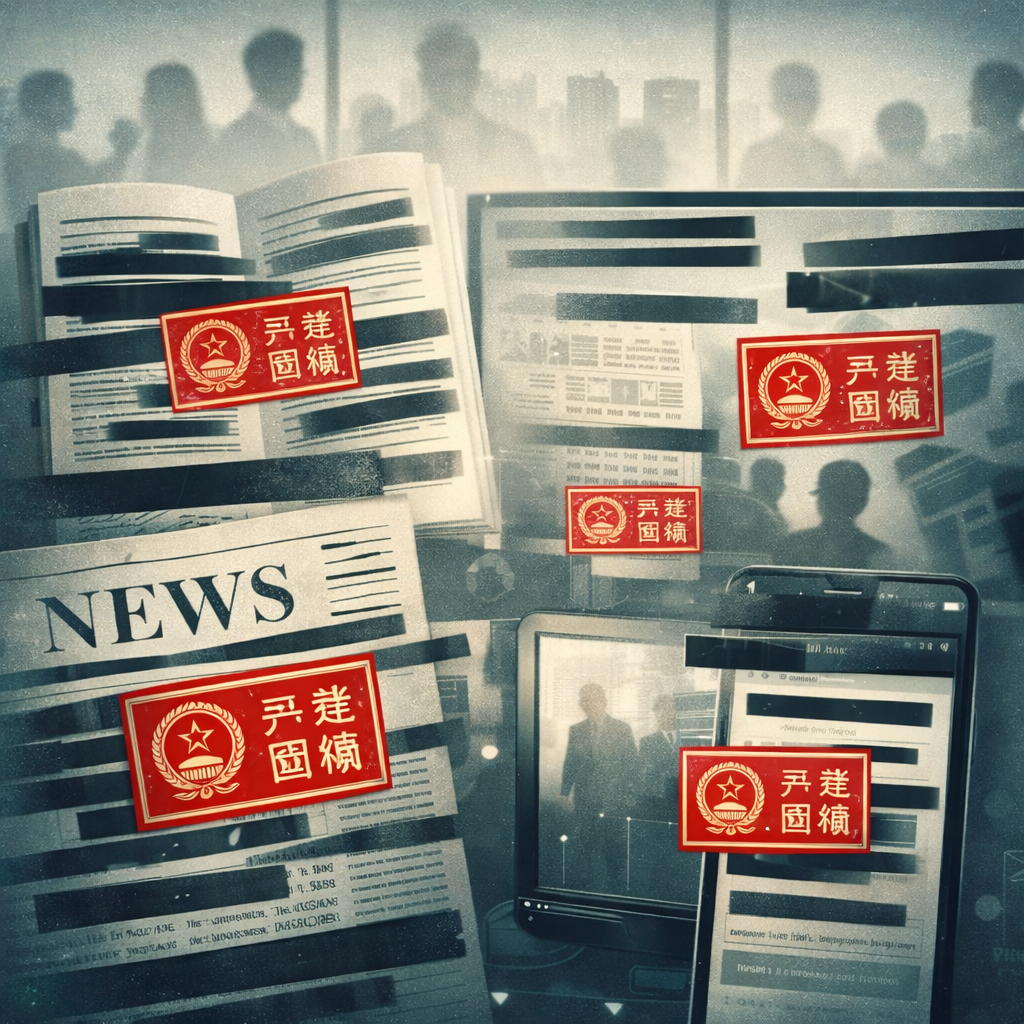
The Chinese government tightly censors information at every level of society—from books in public libraries and elementary schools to universities. It also controls the Internet, radio, television, and newspapers. As a result, the vast majority of mainland Chinese citizens receive information that is filtered or shaped by government propaganda. There is nothing in China comparable to the United States' Bill of Rights that guarantees and protects individual freedoms.
Active Citizen Monitoring
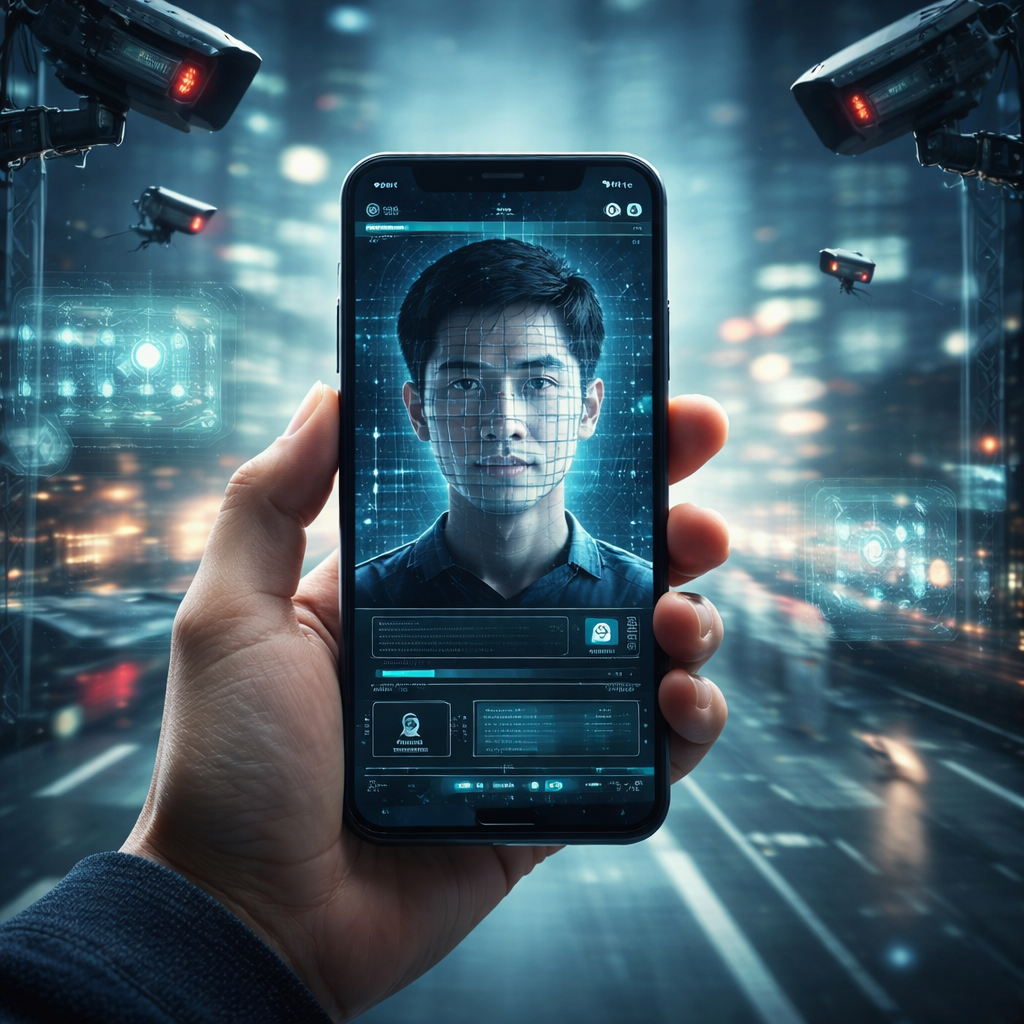
Today, the Chinese government actively monitors its citizens through their mobile phones. I have also read articles predicting that, in the future, China may mandate microchip implantation at birth, or require implants as a condition for school enrollment, access to healthcare, or participation in the government pension system.
I have a microchip in my dog in case he is ever lost; however, if China were to implement such a policy for people, it is likely that these chips would be programmable and used for far more than simple identification or tracking.
Surrogacy and Citizenship Concerns
Additionally, a disturbing article recently published in the Wall Street Journal on December 13, 2025, reported that some wealthy Chinese individuals are using U.S. women as surrogates so their children can be born in the United States and obtain all the benefits and rights of U.S. citizenship.
The article noted that one Chinese billionaire alone reportedly has over 100 children born through U.S. women surrogates living in the U.S.
This type of surrogacy is currently unregulated in the United States and could one day present serious concerns—particularly if an individual born under such circumstances were to rise to high levels within the U.S. government or military while maintaining strong allegiances to China.
While China's historical contributions and modern achievements are undeniable, these concerning developments regarding individual freedoms, surveillance, and citizenship exploitation warrant serious attention and ongoing scrutiny from the international community.